

From Field to Table: Meet the Farmers Behind Alabama’s Peanut Crop
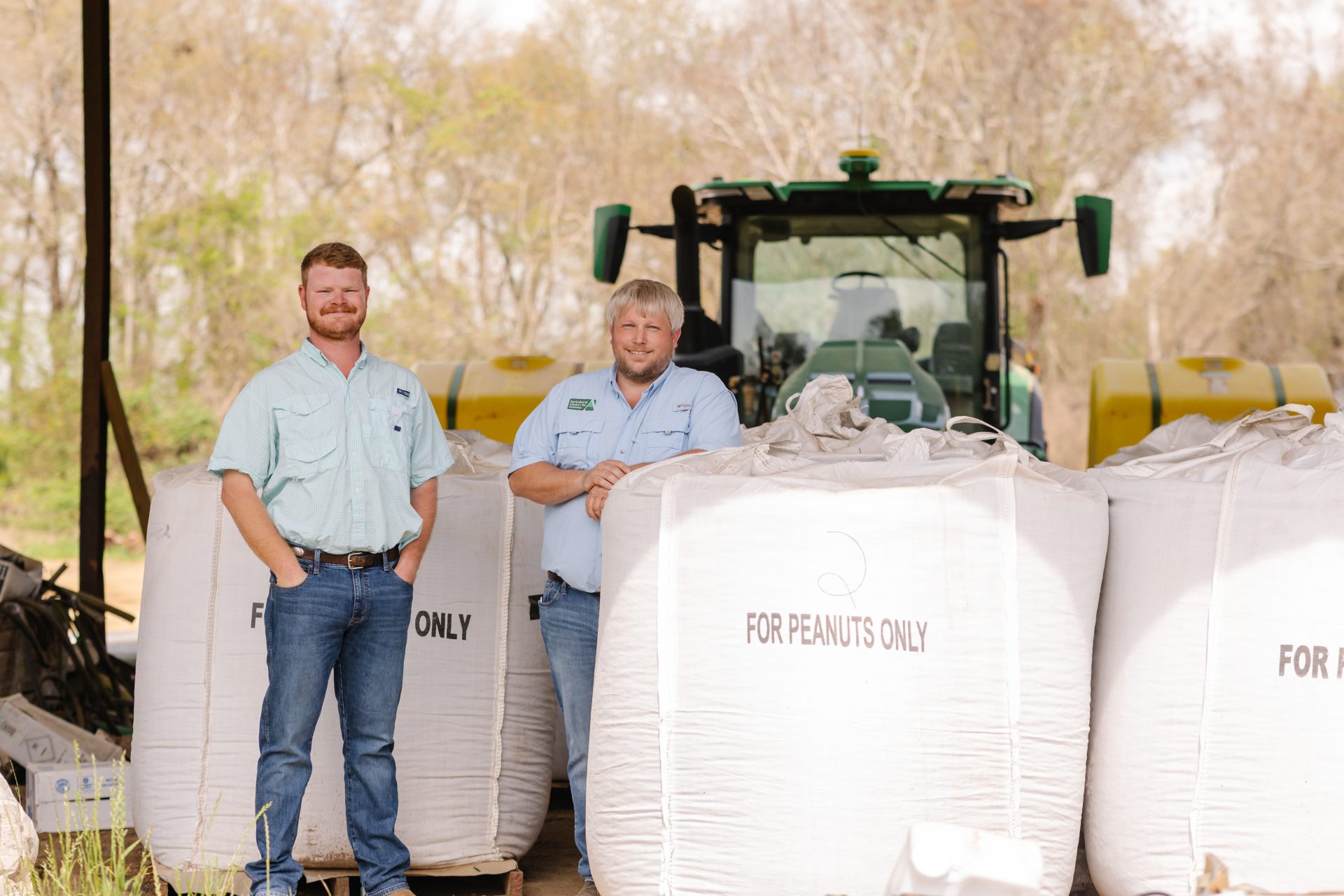
During National Peanut Month, the Alabama Peanut Producers Association is proud to highlight the farmers who work year-round to grow one of Alabama’s most iconic crops. For peanut farmers Joe Corcoran and Chase Wright, agriculture is more than a profession, it’s a lifelong passion built on family tradition, hard work, and a deep pride in feeding others.
Corcoran farms as part of a third-generation row crop and cattle operation that has been rooted in the Barbour County area since the mid-1950s. Over the decades, the farm has evolved and expanded, growing crops like peanuts, cotton, and other row crops while also managing cattle. Although the farm’s name has changed once over the years, Corcoran says the people and the values behind it have remained the same.
“We’ve been farming here since the mid-50s,” Corcoran said. “The name has changed once, but it’s still the same group of people.”
Today, the operation spans roughly 8,000 acres, including cropland and pasture, with about 2,100 to 2,200 acres dedicated to peanuts each year. Peanuts play a major role in the farm’s rotation, but the diversity of crops helps keep the operation balanced throughout the growing season.
For both Corcoran and Wright, the decision to pursue agriculture came naturally. Farming was always something they were surrounded by and something they grew to love from an early age.
“It’s something you dream about as a kid,” Wright said. “Something you look up to and want to do.”
Corcoran shares that same sentiment. Growing up around farming, he always knew agriculture was the path he wanted to follow.
“It’s just always been part of my life,” he said. “It’s what my granddad did and what I wanted to do.”
A Year-Round Effort
While many people associate peanut farming with harvest season every fall, the work begins months before the first seed ever goes into the ground. By early spring, the farm is already busy preparing fields and getting equipment ready for the season ahead.
“Right now we’re breaking ground and turning over land,” Corcoran explained. “We’ll start spraying and then planting. It changes day to day depending on what you’re working on.”
Peanut planting typically begins in late April, though the exact timing depends on soil conditions and weather. Because the farm grows multiple crops, there is always something happening across the operation.
“We don’t just do peanuts,” Corcoran said. “We do a little bit of everything.”
Wright emphasized that producing a successful peanut crop requires teamwork and coordination throughout the year.
“It’s definitely a team effort,” Wright said. “From breaking ground and planting to spraying and harvesting, there are so many hands involved.”
The Reward of Harvest
After months of preparation, care, and careful monitoring, harvest season brings one of the most rewarding moments of the year for farmers.
For Corcoran, one of the most satisfying parts of peanut season is digging the crop.
“I like the digging side,” he said. “I plant and dig most of them. I like sitting there watching them get turned over,that instant gratification of seeing them come up as you go.”
For Wright, harvest is the moment when all the work finally comes full circle.
“You’re reaping what you sow,” he said. “All the hard work pays off when you see how good your crop is from everything that you put into it.”
Those moments in the field, seeing the results of months of effort, are what make the long hours worthwhile.
Facing the Challenges of Farming
Like farmers across the country, Corcoran and Wright face a number of challenges each year. Rising input costs continue to be one of the biggest concerns for producers.
Fuel prices, land management, and finding reliable labor can also create obstacles throughout the season. On top of that, farmers must work with the unpredictability of weather, which can greatly impact crop production.
Growing a high-quality peanut crop requires a mix of experience, careful planning, and a bit of luck when it comes to rainfall.
“It takes timing your sprays, knowing what to spray, getting the crop in the ground right, and hoping it rains when you need it,” Corcoran said.
When rain doesn’t come, Wright says irrigation can make a big difference in protecting the crop.
“If it doesn’t rain, having irrigation that you can back irrigate with helps,” he said.
Connecting People to Agriculture
One thing Corcoran and Wright both hope is that more people learn about where their food comes from and the work that goes into producing it.
“So many people don’t know where their food comes from,” Wright said. “They think it just comes from the grocery store.”
Agriculture touches nearly every part of daily life, from the food people eat to the clothes they wear, yet many consumers remain disconnected from the farming process.
For Corcoran, knowing that his work helps feed others is one of the most meaningful parts of being a farmer.
“Being able to work with the land, raise something, and harvest it at the end of the year, that’s something you can take pride in,” he said.
Advice for Future Farmers
Both farmers hope the next generation continues to pursue careers in agriculture and keep the industry strong. Corcoran believes the best way to learn farming is by listening to those who have experience.
“Learn from people who have been there before,” he said. “You have to make your own way sometimes, but you need to look back and learn where you came from.”
Wright encourages young people interested in agriculture to ask questions and get involved whenever they can.
“Everybody farms a little differently,” he said. “Just get involved and learn.”
Celebrating Peanuts
Of course, when peanut farmers talk about their crop, the conversation eventually turns to their favorite ways to enjoy it. From boiled peanuts to peanut butter treats, there’s no shortage of options.
“My wife makes a really good peanut butter pie,” Corcoran said with a laugh.
When asked what message they would share with consumers during National Peanut Month, their answer was simple:
“Eat more peanuts.”
From peanut butter sandwiches to boiled peanuts at roadside stands, peanuts remain a staple enjoyed by families across the country. Behind every peanut product are farmers like Joe Corcoran and Chase Wright who dedicate their lives to producing a crop that feeds communities and connects people to agriculture.

Joe Corcoran, 3rd-generation farmer in Barbour County.
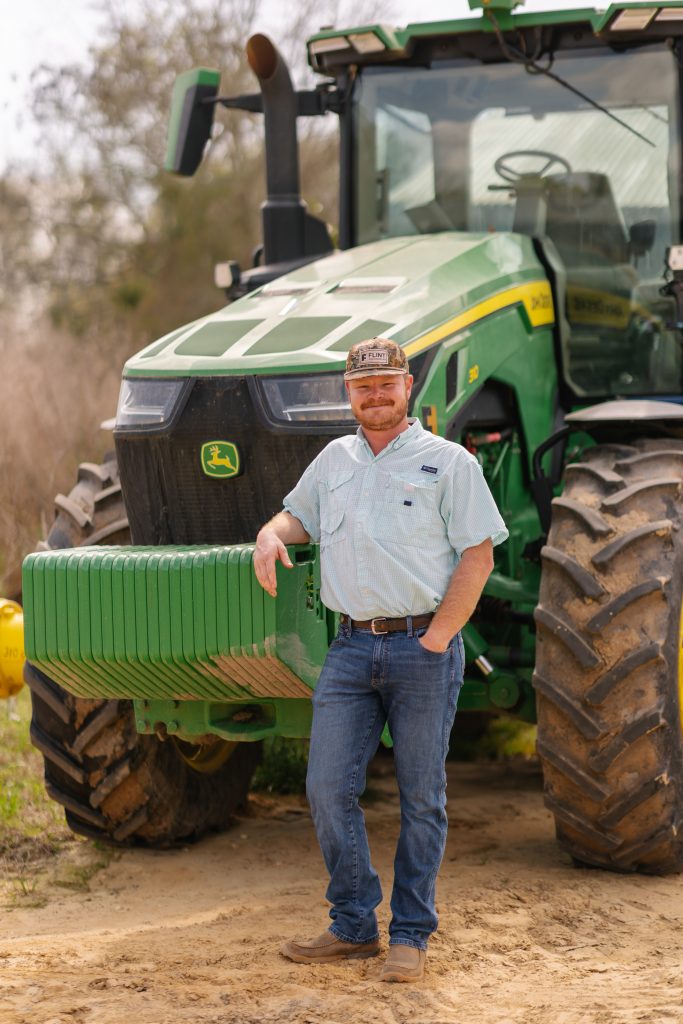
Chase Wright, farmer in Barbour County.
Link: https://alpeanuts.com/from-field-to-table-meet-the-farmers-behind-alabamas-peanut-crop/
