

Zane Grabau
The summer row crop season is well underway, which also means that hotspots of damage from plant-parasitic nematodes are also appearing. While a few fields with patches of nematode damage is seemingly inevitable, that does not make it any less frustrating, especially if you’ve invested in a nematicide application for the field. This article describes why there may be nematode damage even after nematicide application and action steps for future crops.
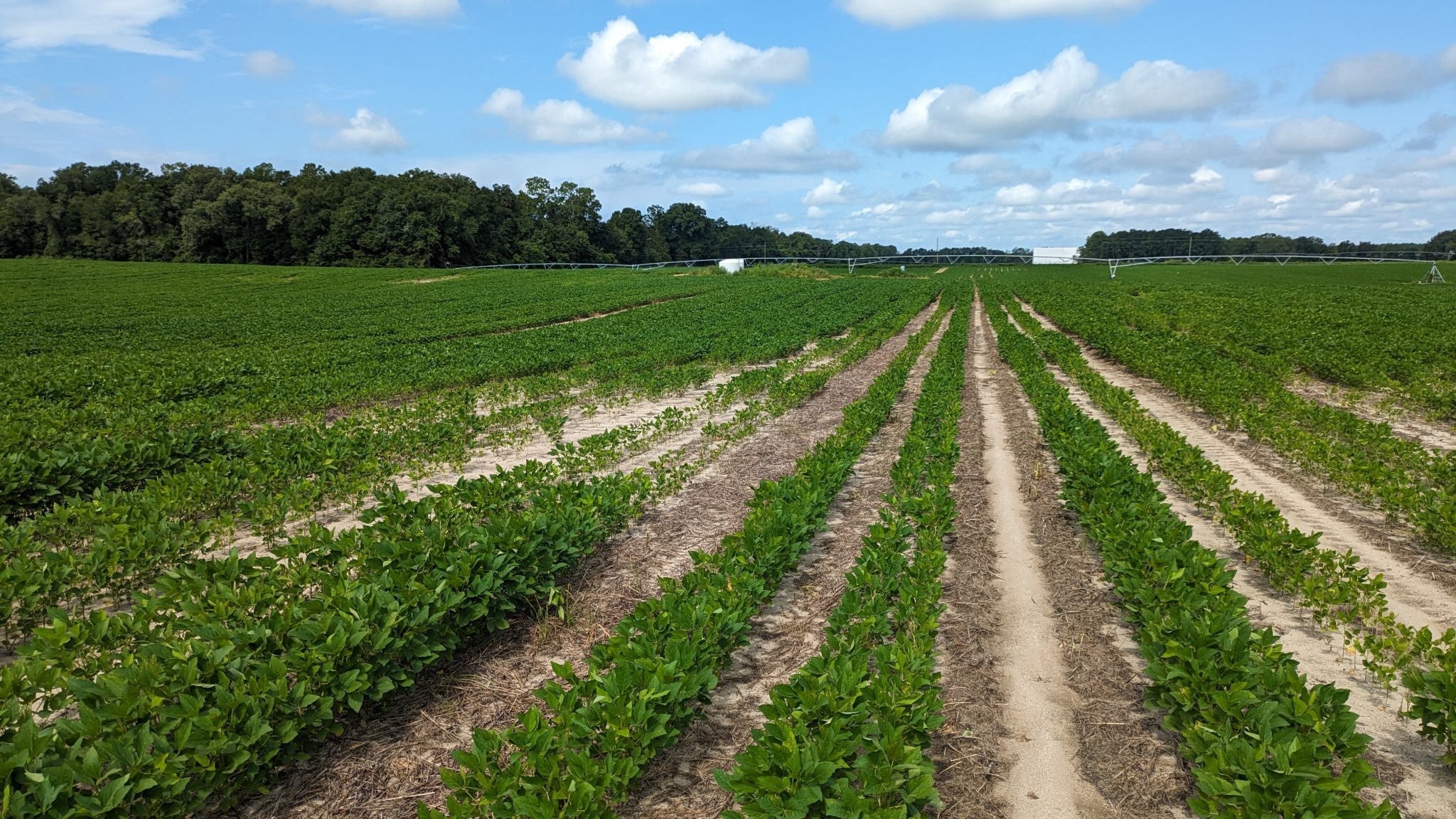
Figure 1. Patchy damage is a common symptom of nematode infection. This soybean field is severely infested with sting nematode and patches of stunting and reduced stand are present.
-
Confirm the damage is from nematodes.
As always, diagnosis is the first step in addressing a crop problem. If you are seeing patchy stunting (Figure 1), that is an initial clue nematodes may be the culprit. Digging up plants to check for typical symptoms of nematode damage such as bearded corn roots from sting nematode (Figure 2) or galled root systems from root-knot nematodes (Figure 3) is a great next step. To confirm, you should collect soil or soil and root samples and submit them to a professional diagnosis lab such as the UF/IFAS nematode assay lab.
Figure 2. Corn root system with typical symptoms of sting or stubby-root nematodes. Root tips are exhibiting “bearding” where short, thick lateral roots proliferate. Roots tips are also turning brown or black due to tissue death.Figure 3. Soybean roots with severe galling, which is irregular thickening and knotting of roots due to infection by southern root-knot nematodes.
-
Nematicides protect against, but do not prevent nematode infection
In row crops, nematicide application is typically done in-furrow using liquid or granular nematicides. Even the best in-furrow nematicides typically do not provide season-long control of plant-parasitic nematodes. Rather, the main goal of nematicide application is to decrease early-season nematode populations and slow nematode infection, which will improve crop yield. Nematode infection typically increases later in the season as crop roots grow out of the zone to which nematicides were applied and nematicides dissipate in the soil. Especially in fields with severe nematode infestation, nematode damage after nematicide application is possible even when factors discussed in the next section are optimized.
-
Could I improve my nematicide application plan?
Typically, by the time symptoms of nematode damage are observed, it is too late to take corrective action for the current crop, so planning applies to upcoming crops. Application and environmental factors can influence nematicide efficacy, and these should be optimized to the extent possible. Check that equipment was correctly calibrated, nematicides were applied at the optimum label rate, and there were no issues with clogging or plugging. Additionally, both conventional and biological nematicides are most effective when soil moisture is adequate as this helps distribute products in soil and may help activate some products. With drought conditions this spring, dry soil may have decreased nematicide efficacy this season. In irrigated fields, maintaining soil moisture around planting will help with nematicide efficacy.
In cotton and peanut, in-furrow nematicides application can be supplemented with broadcast applications of certain nematicides. This can improve nematode management, generally when properly incorporated with irrigation or rainfall, and can be considered if damage occurred with only in-furrow nematicide application. Finally, growers should also consider if another nematicide product would provide better control. For established products, general nematicide efficacy guides are provided in the linked EDIS at the end of this article. If you have been using the same nematicide for a number of years, soils sometimes adapt to break down the product more quickly, so it can also be worth trying another product.
-
Is it time to intensify other nematode management practices?
